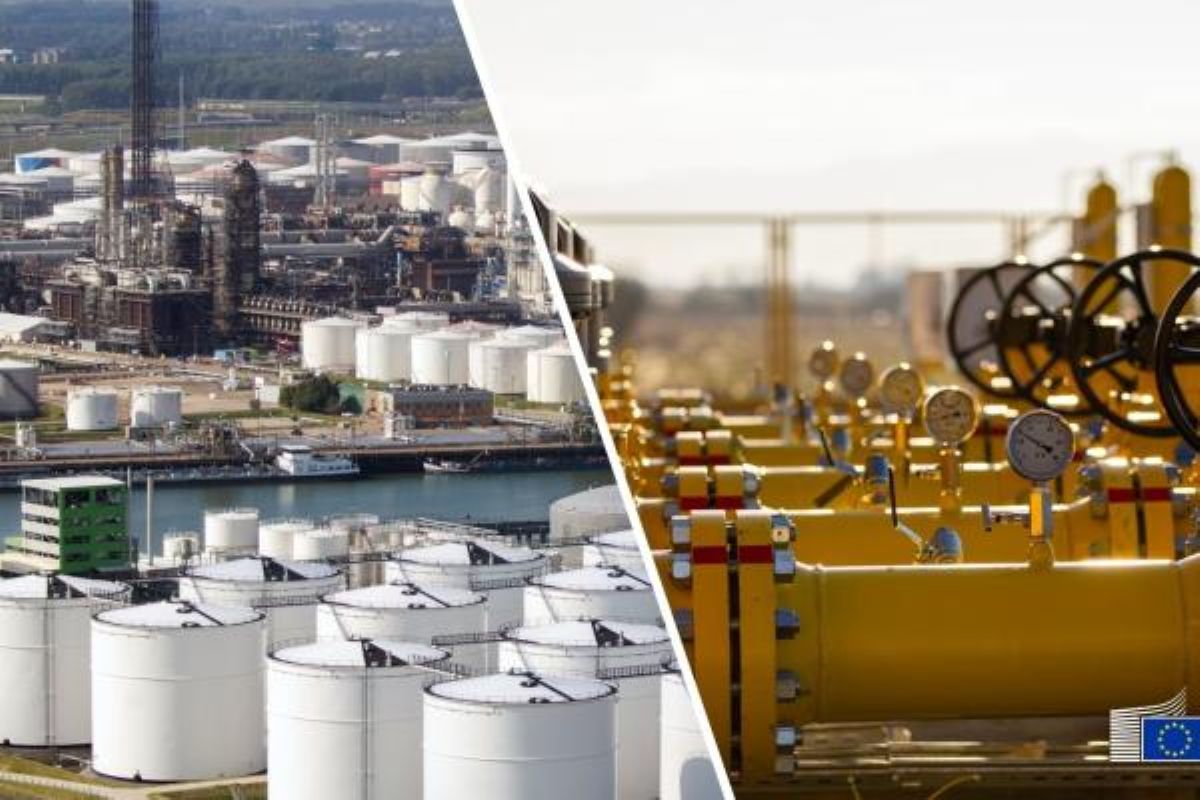
Experts from the European Commission, EU countries and the International Energy Agency (IEA) met in the Gas and Oil Coordination Groups to discuss the EU’s gas and oil security of supply situation in Europe, as the Middle East conflict enters its third month.
The Gas Coordination Group confirmed that the EU’s gas security of supply remains largely unaffected, with storage levels only slightly below pre-crisis averages. The Group observed that reaching a storage level of 80% at the end of summer would be enough to secure winter supply. The Group agreed that the refilling of EU gas storage should be carefully weighed against economic considerations, noting that EU countries have not planned any additional interventions so far. Moreover, the Group considered that where the storage target set out in legislation may not be achieved, EU countries may consider activating the regulatory flexibilities in a timely manner.
The Oil Coordination Group discussed the follow-up to the adoption of the AccelerateEU communication of 22 April which introduces specific actions for crude oil and petroleum products, such as the launch of a Fuel Observatory providing close to real-time tracking of supply, stocks, imports and exports. Moreover, mandated by energy ministers at the extraordinary Transport Telecommunications and Energy Council meeting on 31 March, the Commission has been collecting national data on available stocks and market conditions with a view to providing an EU-wide regional assessment of the situation. The data already obtained indicates that the supplies of jet fuel remain sufficient to cover demand at the moment. Nevertheless, the duration of the closure of the Strait of Hormuz could have a significant impact in the forthcoming months/weeks. The information collected will serve as a basis for coordinated actions and measures at EU level, such as the release of stocks already committed under the IEA call for collective action.
The Commission will continue to assess the overall impact of the situation in the Middle East in Europe, support coordinated action as needed, and maintain regular communication with EU countries, the IEA and market participants.