







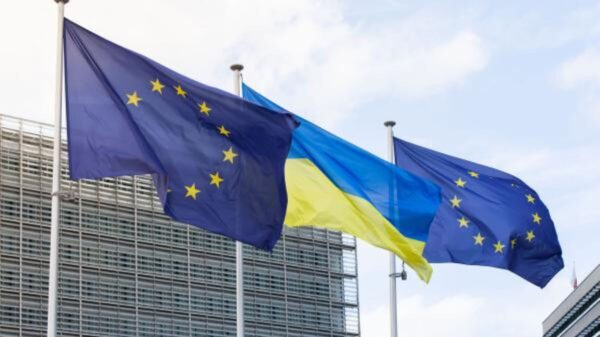




11 October marked the deadline for EU countries to transpose key provisions of the Energy Efficiency Directive (EU/ 2023/1791), aimed at advancing the EU’s energy efficiency goals. Energy efficiency is the most cost-effective and socially inclusive tool to reduce greenhouse gas emissions, reduce the EU’s reliance on imported fossil fuels and improve resilience to energy price shocks. By lowering energy consumption, energy efficiency measures also reduce energy bills for citizens and businesses and strengthen the EU’s industrial competitiveness.
With this directive, agreed by the co-legislators on 10 March 2023 and in force since 10 October 2023, the EU sets a binding goal to achieve an overall reduction in the final energy consumption of 11.7% by 2030 (compared to 2020 projections). Delivering this target demands a concerted effort from all EU countries over the next 5 years, which is reflected in their National Energy and Climate Plans (NECPs). The Commission monitors progress in this domain, notably by analysing NECPs. The Commission’s EU-wide assessment of the cumulative impact of the updated NECPs (COM/2025/274), published in May, indicated that, while many countries have raised their energy efficiency ambitions, further efforts are needed to fully meet the target.
To achieve this objective, the directive mandates that before investing in new energy infrastructure such as power plants, heating systems or grids, public authorities in EU countries check whether improvements in energy efficiency could be a cheaper and cleaner alternative. If so, energy efficient solutions must be prioritised.
Other aspects of the directive require EU countries to
- ensure that the public sector leads by example, reducing its own final energy consumption by 1.9% each year (compared to 2021 levels) and renovating at least 3% of public buildings annually
- set up ‘one-stop shops’ which provide free advice, guidance and practical support for energy renovations, making this process easier especially for vulnerable households and those living in the worst energy performing buildings
- prioritise support for those who are in a vulnerable situation, by ensuring that a dedicated share of annual energy savings comes from actions targeting energy-poor households and social housing, helping them reduce energy bills and ensuring a fair clean energy transition
- promote energy efficiency services, including through energy service companies and innovative financing solutions.
The Commission has been supporting the transposition efforts of EU countries through guidance documents, thematic sessions and bilateral exchanges with EU countries.
Related links
- Energy Efficiency Directive
- Energy efficiency targets
- Public buildings
- Energy efficiency first principle
- EU-wide assessment of the final updated National Energy and Climate plans (NECPs) (COM/2025/274) accompanied by a Staff Working Document (SWD/2025/140)