














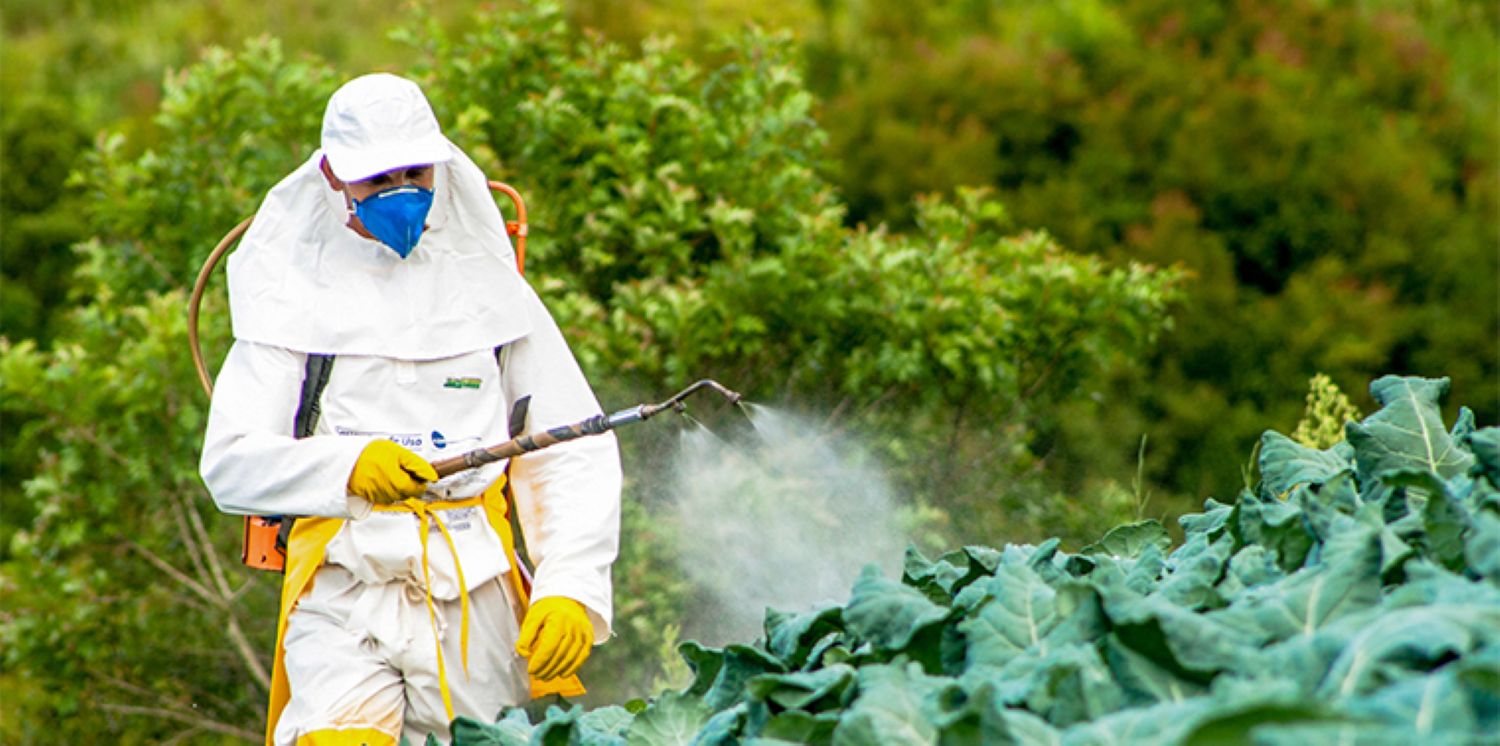
The Commission has launched its impact assessment with a view to strengthening alignment of the EU’s production standards on most hazardous pesticides with requirements applicable to imported products. In the Vision for Agriculture and Food, the Commission committed to “establish a principle that the most hazardous pesticides banned in the EU for health and environmental reasons are not allowed back to the EU through imported products.” This strengthened reciprocity aims to guarantee that the EU’s ambitious standards do not lead to competitive disadvantage for EU farmers and the agri-food sector, while responding to consumers’ expectations.
The impact assessment is an important step towards understanding the economic, environmental and social impact a greater coherence in requirements could have when it comes to the most hazardous pesticides banned in the EU. It will assess notably potential impacts on trade flows for the EU, the competitiveness of European producers and the potential impact on consumers. The impact assessment will inform further policy action, including a possible legislative proposal to be presented in that regard.
While the EU’s existing legislation already protects consumers and ensures all food placed on the market meets our high health and safety standards, today’s announcement reiterates the Commission’s commitment to pursue closer alignment of production standards that apply to imported products, ensuring a level playing field for our farmers and producers and maintaining consumer protection.
The impact assessment will provide the analytical basis for potential appropriate and proportional amendments to the existing legal framework to progress towards a greater reciprocity of standards. It will include a study led by the Joint Research Centre (JRC), will be evidence-based, and will allow for a thorough evaluation of potential impacts and stakeholder input. The preliminary study is expected to be concluded by summer 2026, and the next steps of the impact assessment will follow.