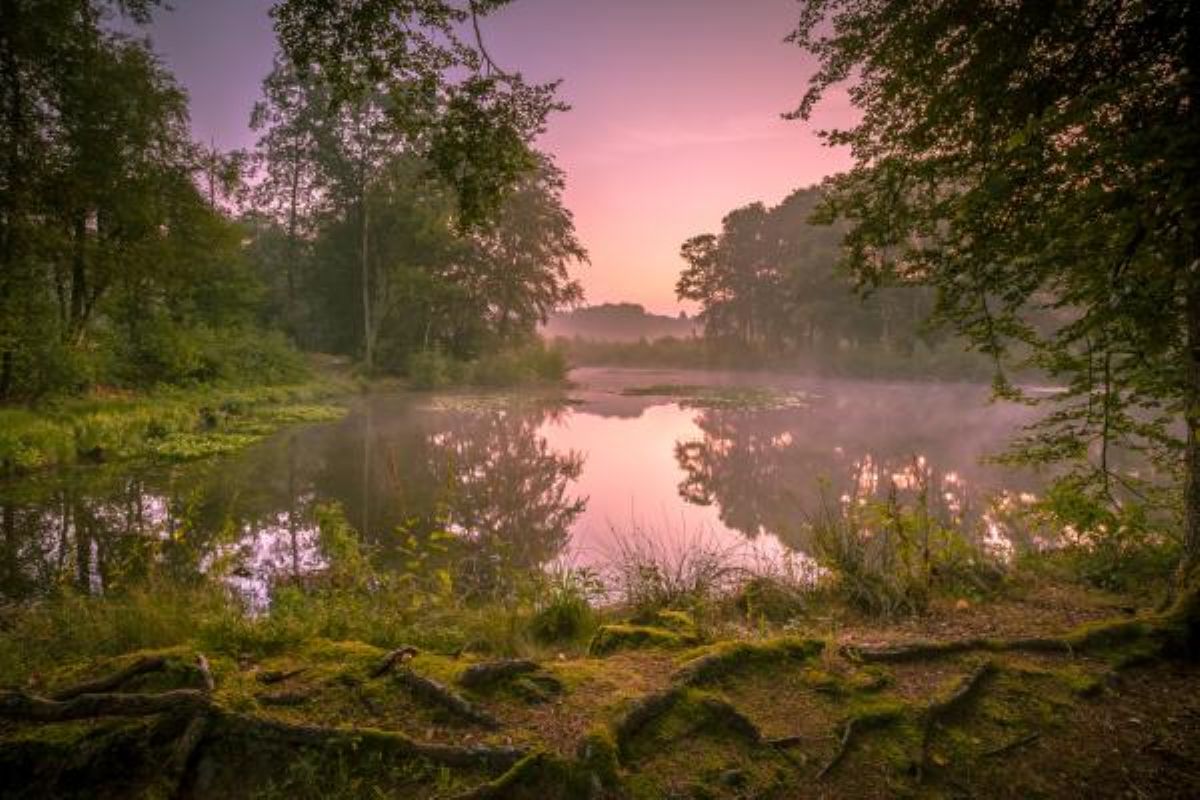
The guidance is not legally binding, but it provides member states with the flexibility to tailor adaptation measures to national and regional circumstances.
The European Commission adopted new guidance on Wednesday (25 March) to help member states adapt the Natura 2000 network of protected natural sites to the growing pressures of climate change.
The document clarifies how the provisions of the Birds and Habitats Directives apply when designating and managing Natura 2000 sites in the context of climate change impacts.
It also provides recommendations on practical adaptation measures and a climate adaptation framework for Natura 2000 managers, national authorities and stakeholders responsible for safeguarding Europe’s most precious habitats and species.
The guidance is not legally binding and does not create new obligations. However, it provides Member States with the flexibility to tailor adaptation measures to national and regional circumstances.
It is primarily aimed at Natura 2000 site managers and environmental authorities, while also helping landowners, environmental organisations and other stakeholders understand the role they can play in building a climate-resilient natural world.
Increasing climate pressures on Europe’s nature
Europe is warming at roughly twice the global average rate, exposing ecosystems, habitats and species to intensifying heatwaves, droughts, wildfires and flooding.
The Natura 2000 network, which covers approximately 18.6% of EU land and over 10.5% of its seas, is home to a significant share of Europe’s biodiversity. Much of that biodiversity is under significant pressure, as recently shown by the EEA’s Europe’s Environment 2025 report, and this pressure is only set to increase.
Without proactive adaptation, climate change risks triggering widespread species declines and habitat loss across the network, undermining decades of conservation effort.
At the same time, the climate and biodiversity crises are deeply intertwined. Degraded ecosystems release greenhouse gases and lose their capacity to store carbon, while healthy ecosystems – particularly peatlands, wetlands, forests and coastal habitats – are powerful tools for climate mitigation and adaptation.
The guidance helps unlock this potential by promoting nature-based solutions that deliver benefits for both biodiversity and climate resilience.
Cost-effective, long-term protection
The guidance updates the previous EU guidelines on climate change and Natura 2000, reflecting scientific knowledge and recent policy developments. It sets out how to:
- Plan and implement adaptation measures
- Adjust site boundaries or conservation objectives
- Restore degraded habitats to increase resilience
- Build strategic partnerships with sectors such as agriculture, water management and disaster prevention (e.g. floods and wildfires)
The guidance document is available here.
Background
Established under the Birds Directive and Habitats Directive, Natura 2000 is the EU’s largest network of protected natural areas, created to safeguard Europe’s most valuable and threatened wildlife and habitats.
It brings together thousands of sites on land and at sea, covering almost one-fifth of the EU’s land area and a significant share of its marine waters. These areas range from small patches of rare grassland to vast forests, wetlands and coastal zones.
Unlike traditional nature reserves, where human activity may be heavily restricted, Natura 2000 is designed to balance nature protection with everyday life and economic activity.
Farming, forestry, tourism and other uses can continue in many sites, as long as they do not undermine the species and habitats the area is meant to protect.