











Among the proposals is the creation of a permanent Young Citizens Assembly on Biodiversity to engage more citizens in EU environmental governance.
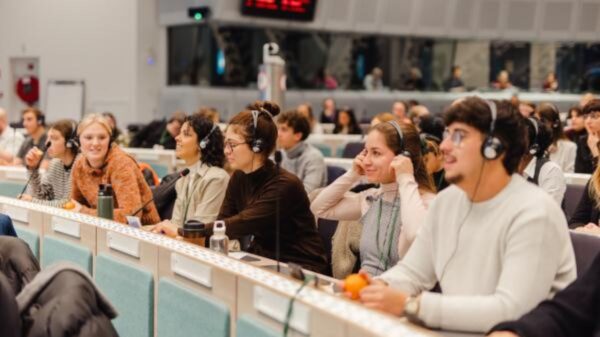
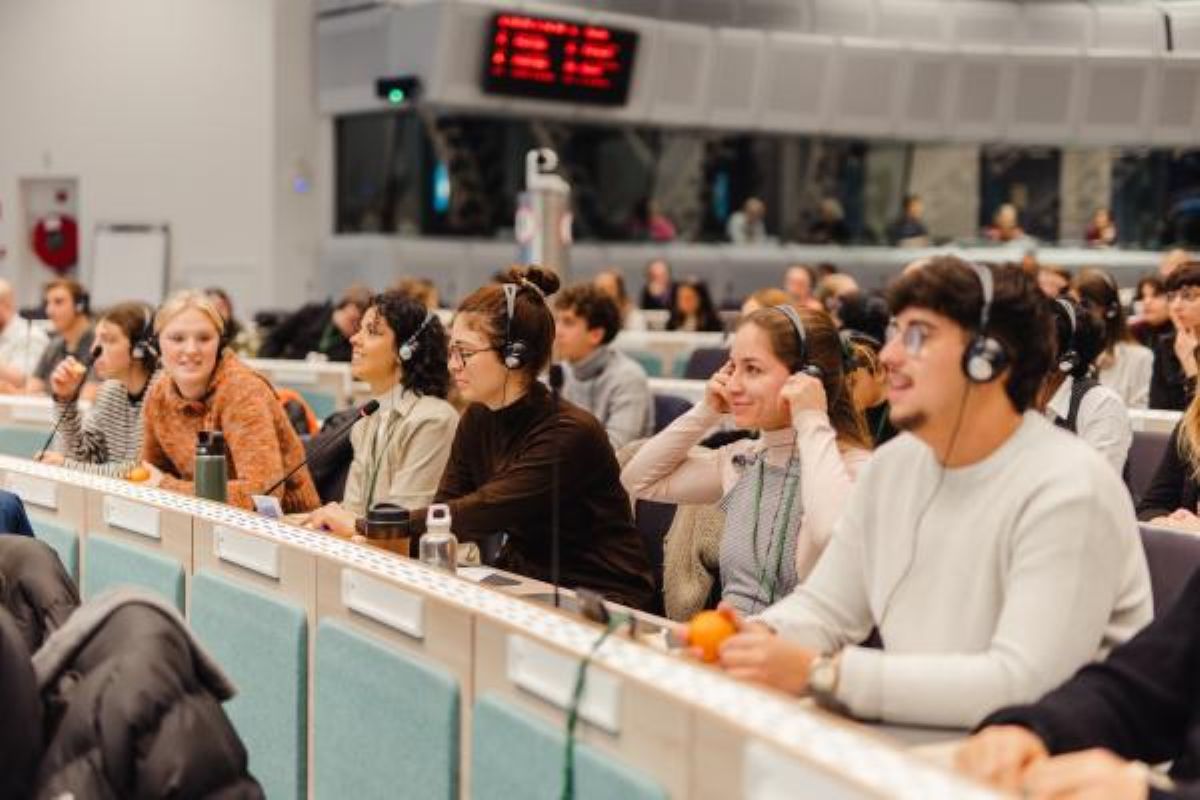
The final session of the Young Citizens’ Assembly on Pollinators concluded over the weekend, marking the end of a nine-month process during which around 100 randomly selected young Europeans aged 18 to 29 worked together to explore how to reverse the alarming decline of wild pollinating insects.
The Assembly presented a series of recommendations to strengthen action across the EU. These include reducing the use and toxicity of pesticides, protecting and restoring pollinator habitats in the countryside and cities, and moving towards more pollinator-friendly farming.
The Young Citizens also called for stronger monitoring and enforcement of existing environmental policies, increased funding for conservation actions, and initiatives that encourage cultural and behavioural change in how societies manage lands and biodiversity.
Among the proposals is the creation of a permanent Young Citizens Assembly on Biodiversity to involve more citizens in environmental governance at an EU level.
Pollinators — including solitary bees, bumblebees, hoverflies, butterflies, moths and other insects — play a vital role in ecosystems and food production. Around four in five crops and wild flowering plants rely on pollinators, but their populations are declining due to a combination of pressures such as land-use change, intensive agricultural management and pesticide use, environmental pollution, invasive species and climate change.
To address this complex challenge, Assembly members spent the past months understanding the decline of pollinators, exchanging views and deliberating on potential solutions. Participants also engaged with policymakers, experts, stakeholders and civil society representatives to better understand the political and socio-economic context of pollinator protection.
The full set of recommendations will be published soon in the 23 official EU languages. The Assembly will then send the recommendations to the responsible actors across the society.
Watch the final plenary discussion here
More information