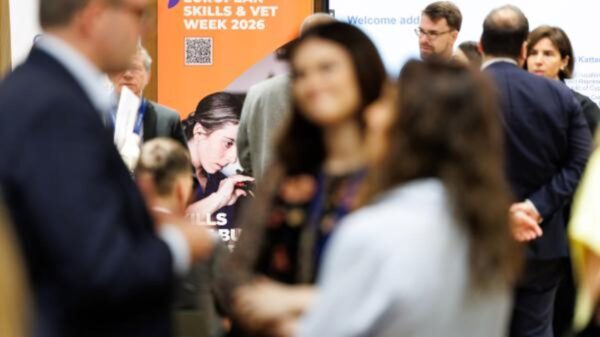
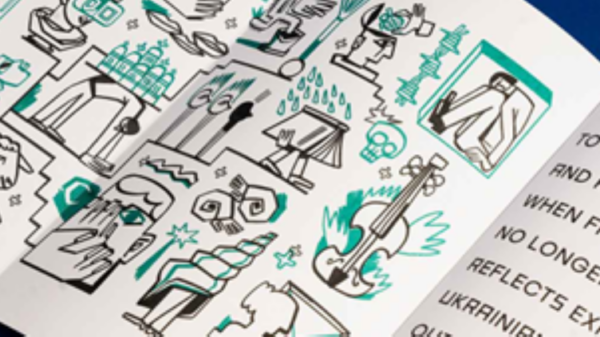







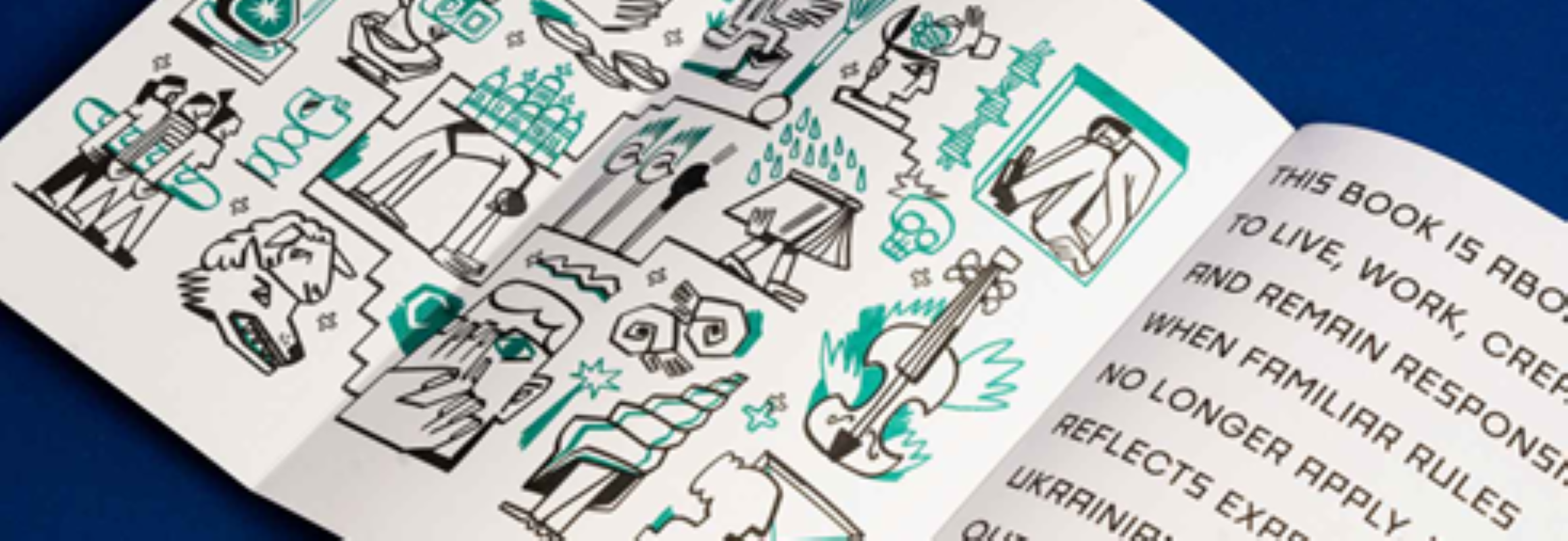
| The Goethe-Institut, together with MEP Helmut Brandstätter (Renew), presented the publication “Lessons for a Brave World: How to Live, Work, and Create in Times of Uncertainty“ today at a policy breakfast at the European Parliament. The book was developed in the framework of the EU-funded programme House of Europe, which has supported the Ukrainian cultural and creative sectors since 2019 and is implemented by the Goethe-Institut. Helmut Brandstätter, Vice-Chair of the Delegation to the EU-Ukraine Parliamentary Association Committee, emphasised the importance of sustained support for the cultural sector in Ukraine: “Europe’s future will not only be decided on the battlefield, but also in newsrooms, theatres, schools, and museums. Those who defend Ukraine are defending more than a country – they are defending Europe’s freedom, its culture, its media, and the right to tell its own story. Culture is not only symbolically but very practically linked to the battle for freedom and against autocracy and oppression.” | |
| The publication brings together Ukrainian cultural actors who share 32 lessons on the role of culture in sustaining societal resilience when war becomes part of everyday life. During the breakfast, authors gave first-hand accounts from their work. Olesia Zakharova of Nafta Theatre in Kharkiv described how vital theatre is as a place to come together and create safe, empathetic spaces. “Theatre offers a space in which it’s possible to shift attention towards shared movement, shared action, shared thoughts. Togetherness makes it possible to look reality in the eye and handle it.”, she said. | |
| Mykhailo Pakholkiv, a heritage preservation specialist at Karp Restorer (Lviv), who is currently serving in the Armed Forces of Ukraine, spoke about the similarities he sees between his role as restorer and as a soldier: “My professional path began with protecting Ukraine’s tangible heritage. Today, the same responsibility continues in the defence of the state itself. For me, these are not opposite roles. Both are about responsibility for the future.” Dr. Simon Radchenko, who combines digital technologies and archeology in his work for Archaïc Lab, stressed the necessity of being prepared to protect heritage in advance, as well as the importance of cooperation and peer-to-peer learning between European and Ukrainian heritage professionals. And Yuliia Elyas, initiator and co-author of the Decolonial Glossary, talked about the instrumentalisation of decolonial discourse by Russia and how – on the other hand – the tools of decolonial studies enable scholars in Ukraine and the diaspora to reclaim narratives about Ukrainian identity. | |
| Dr. Julia Sattler, Delegate for European Affairs and Director at Goethe-Institut Brussels, said: “Ukrainian artists and cultural workers continue to create under extreme conditions. Today’s event showed that culture can be a vital tool to preserve a sense of identity and community especially in times of war. It also made clear how much Europe can learn from Ukraine’s experience and how important it is to listen carefully to what Ukrainians have to share. It is essential to keep supporting cultural and educational actors in Ukraine, and the Goethe-Institut remains committed to this work and to amplifying Ukrainian voices across Europe.” | |
| Download the publication here: Lessons for a brave world More about House of Europe: houseofeurope.org.ua | |