







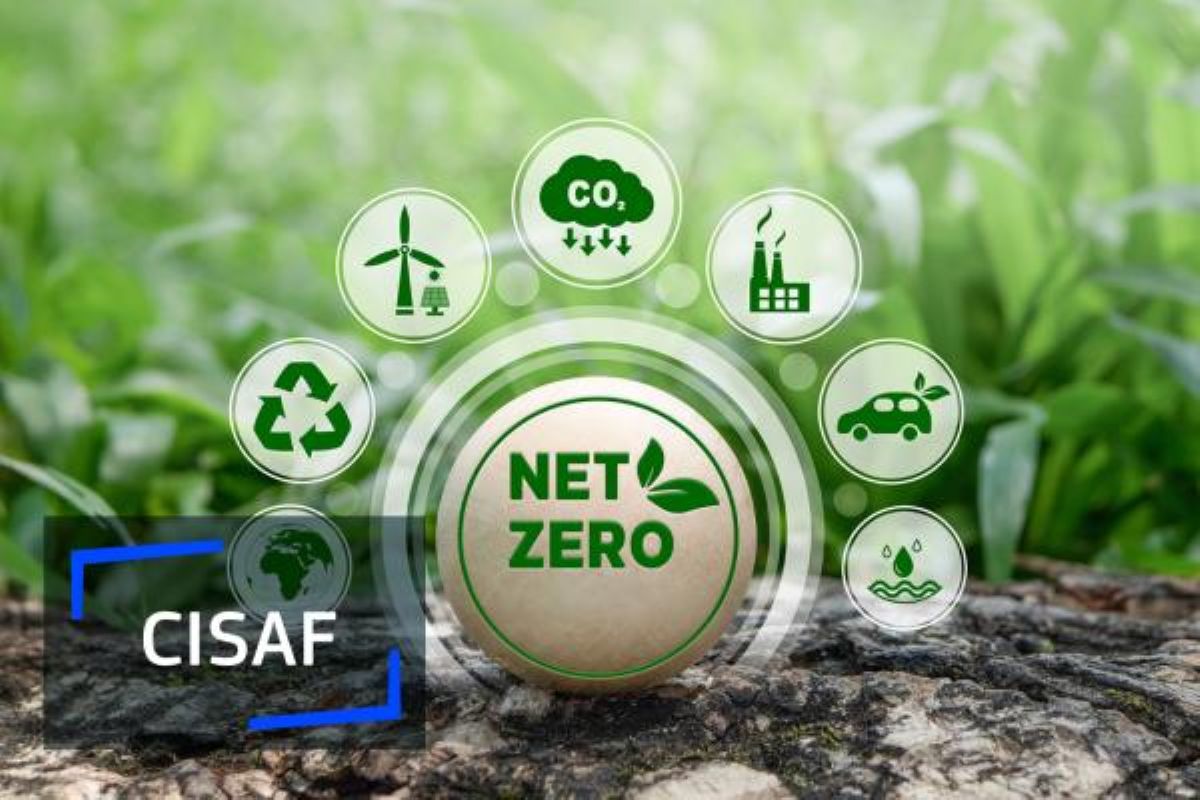
The European Commission has approved a €100 million Austrian scheme to support clean technology (‘cleantech’) manufacturing capacity, in line with the objectives of the Clean Industrial Deal. This measure will contribute to the transition towards a net-zero economy. The scheme was approved under the Clean Industrial Deal State Aid Framework (CISAF) adopted by the Commission on 25 June 2025.
The Austrian measure
Austria notified to the Commission, under the CISAF, a €100 million scheme to support cleantech manufacturing capacity. The scheme will complement another Austrian scheme, approved by the Commission in December 2025, that already unlocked €100 million for cleantech manufacturing capacity.
The purpose of the scheme is to ensure sufficient manufacturing capacity of clean technologies. Under the scheme, the aid will take the form of subsidised loans. The scheme will be open to small and medium-sized enterprises and large enterprises carrying out investments in strategic sectors such as batteries, solar panels or windmills in Austria. Aid may be granted until 31 December 2026.
The Commission found that the Austrian scheme is in line with the conditions set out in the CISAF. In particular, the aid will incentivise the production of clean technologies, as well as their main specific components and related critical raw materials.
The Commission concluded that the Austrian scheme is necessary, appropriate and proportionate to accelerate the transition towards a net-zero economy and facilitate the development of certain economic activities, which are of importance for the implementation of the Clean Industrial Deal. This is in line with Article 107(3)(c) of the Treaty on the Functioning of the EU and the conditions set out in the CISAF.
On this basis, the Commission approved the Austrian measure under EU State aid rules.
Background
On 25 June 2025, the Commission adopted the CISAF to foster support measures in sectors which are key for the transition to a net-zero economy, in line with the Clean Industrial Deal.
The CISAF allows the following types of aid, which can be granted by Member States until 31 December 2030 in order to accelerate the green transition:
- Measures accelerating the rollout of renewable energy and low-carbon fuels (sections 4.1 and 4.2). Member States can set up schemes for investments in all renewable energy sources as well as energy storage, with simplified tender procedures. Specific rules are also provided to accelerate the roll-out of low-carbon fuels.
- Measures allowing temporary electricity price relief for energy-intensive users to ensure the transition to low-cost clean electricity (section 4.5). Such measures will help avoid industrial activities relocating to locations where environmental regulations are absent or less ambitious, before the decarbonisation of the EU’s electricity system fully translates into lower electricity prices.
- Measures facilitating the decarbonisation of industrial processes (section 5). Member States can support investments in the decarbonisation of industrial activities to reduce dependency on imported fossil fuels. This can happen through electrification, energy efficiency and the switch to the use of renewable and electricity-based hydrogen which complies with certain conditions, with expanded possibilities to support the decarbonisation of industrial processes switching to hydrogen-derived fuels.
- Measures to ensure sufficient clean technology manufacturing capacity (section 6). Member States can grant investment support for strategic projects in line with the Net Zero Industry Act (such as batteries, solar panels, wind turbines, heat-pumps, electrolysers, and carbon capture usage and storage). This also includes the production of key components and the production and recycling of related critical raw materials.
- Measures to de-risk private investments required for the roll-out of clean energy, industrial decarbonisation, cleantech manufacturing, certain energy infrastructure projects, and projects supporting the circular economy (section 8).
More information on the CISAF can be found online.
For more information
The non-confidential version of today’s decision will be made available under the case number SA.122542 in the state aid register on the Commission’s competition website once any confidentiality issues have been resolved. New publications of state aid decisions on the internet and in the Official Journal are listed in the Competition Weekly e-News.